vitalminds

Virtual Therapy In Ontario, In Person Therapy in Hamilton, Oakville & London

Team Members

Clinic Leadership

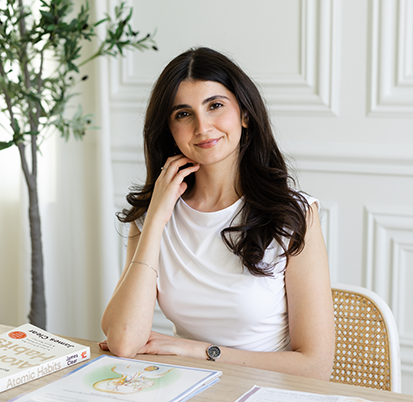
Mary Vuksanovic

Mary is an expert in anxiety related disorders, specifically health anxiety, OCD, phobias and PTSD. She uses an integrative and science based approach that targets maladaptive thinking patterns, unwanted urges or compulsions, and nervous system regulation.

Read More...

Mary Vuksanovic

Registered Psychotherapist
Founder & Clinical Director
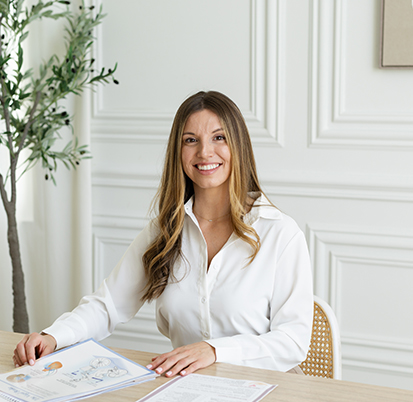
Amanda Spallacci

As the Director of Clinical Training & Supervision, Dr. Amanda Spallacci leads the clinic’s clinical training and professional development initiatives, overseeing the supervision, mentorship, and ongoing development of practicum students and clinicians at Vital Minds Psychotherapy.

Read More...

Dr. Amanda Spallacci, PhD

Director of Clinical Training & Supervision
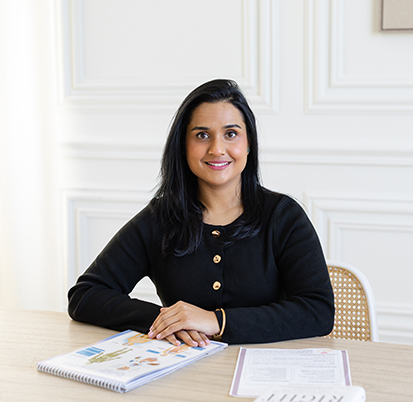
Julie Desjardins

As an experienced Clinical Supervisor and Registered Psychotherapist, July is deeply committed to fostering the next generation of competent, ethical, and reflective mental health professionals. Her approach to supervision is grounded in a commitment to coaching, mentoring, and professional consultation.

Read More...

Julie Desjardins

Registered Psychotherapist
Clinical Supervisor

Hamilton Location Therapists

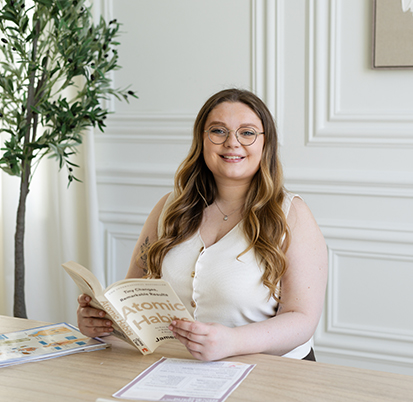
Katelyn Matias

Katelyn is a trauma-informed and relational therapist that works through an attachment-based lens. She recognizes how early experiences, relational injuries, and nervous system responses shape current patterns of behaviour, emotion, and connection.

Read More...

Katelyn Matias

Registered Psychotherapist

Alexis works with adults who are navigating anxiety, trauma-related concerns, emotional regulation difficulties, and challenges related to self-esteem. Many of her clients describe feeling on edge, emotionally overwhelmed, self-critical, or disconnected from themselves or others,

Read More...

Alexis Banyai

Registered Psychotherapist, Qualifying
Jordan Best

Jordan is an empathetic therapist who believes in the power of a safe and genuine therapeutic connection in eliciting meaningful change. She understands that feeling truly seen and supported can help you navigate life’s challenges.

Read More...

Jordan Best

Registered Psychotherapist, Qualifying
Diana Ostap

Diana’s clinical philosophy centres on compassion and curiosity. She understands that every person’s story is layered and complex, and that therapy is not about “fixing” but about creating space for insight, acceptance, and meaningful change.

Read More...

Diana Ostap

Registered Psychotherapist, Qualifying
Arianna Velocci

Arianna is committed to supporting you in gaining a deeper self-awareness, navigating life’s challenges with confidence, and developing self acceptance. With a strong emphasis on empathy, Arianna strives to create a safe, non-judgmental space where you feel truly

Read More...

Arianna Velocci

Registered Psychotherapist, Qualifying
Cassandra DeLorenzis

Working with Cassandra is a collaborative and empowering experience. Her goal is for you to feel heard, supported, and more confident in your ability to navigate life's challenges. She creates a warm, safe space where you can explore your challenges

Read More...

Cassandra DeLorenzis

Registered Psychotherapist, Qualifying
Sarah Morrone

Working with Sarah is an empowering process, centered on fostering trust and genuine connection. Her goal is to help clients navigate challenges, achieve personal growth, gain self-awareness, and develop effective tools to create lasting change.

Read More...

Sarah Morrone

Registered Psychotherapist, Qualifying
Kelly Byrne

Kelly brings a warm, grounded presence shaped by more than 30 years of teaching, mentoring, and supporting individuals and families. She understands that healing requires compassion, and she creates an atmosphere where clients can show up exactly as they are without pressure

Read More...

Kelly Byrne

Registered Psychotherapist, Qualifying
Sarah Fawaz

Sarah’s journey has been shaped by cultural shock, adaptation, and the search for belonging. Navigating a new environment pushed her to reflect deeply on identity, connection, and what it means to feel grounded. Through that process, she began to rediscover herself

Read More...

Sarah Fawaz

Registered Psychotherapist, Qualifying
Vanessa Gear

Vanessa is a warm and knowledgeable therapist who works with children, teens, adults, and families navigating anxiety, depression, neurodivergence, learning disabilities, school challenges, and life transitions. With nearly 20 years of experience in education...

Read More...

Vanessa Gear

Registered Psychotherapist Qualifying
Brianne Roy

Brianne is a relational and integrative therapist who helps individuals and couples with identity, life transitions, and relationship challenges. You may feel stuck, overwhelmed, or unsure how you got here, whether facing anxiety, grief, burnout, or disconnection from yourself or your partner.

Read More...

Brianne Roy

Registered Psychotherapist Qualifying
Student Intern, MACP Candidate

Oakville Location Therapists

Katelyn Matias

Katelyn is a trauma-informed and relational therapist that works through an attachment-based lens. She recognizes how early experiences, relational injuries, and nervous system responses shape current patterns of behaviour, emotion, and connection.

Read More...

Katelyn Matias

Registered Psychotherapist

Alexis works with adults who are navigating anxiety, trauma-related concerns, emotional regulation difficulties, and challenges related to self-esteem. Many of her clients describe feeling on edge, emotionally overwhelmed, self-critical, or disconnected from themselves or others,

Read More...

Alexis Banyai

Registered Psychotherapist, Qualifying
Amanda Lazenis

Amanda is dedicated to supporting individuals and couples navigate challenges such as anxiety, stress, relationships, communication, trauma, women’s issues, and major life transitions. For individuals, Amanda provides specialized care for managing intrusive or anxious thoughts, improving emotional regulation,

Read More...

Amanda Lazenis

Registered Psychotherapist, Qualifying
Alexis Phipps

Alexis works with individuals and couples experiencing trauma, emotional regulation difficulties, and relationship conflicts.If you feel overwhelmed by intense emotions, stuck in unhealthy relationship patterns, or confused about why the same challenges keep coming up despite trying to change,

Read More...

Alexis Phipps

Psychotherapist Social Worker, MSW, RSW
Jennifer Paquette

Jennifer is a warm, intuitive, and holistic therapist who specializes in working with children, teens, adults, and families navigating anxiety, ADHD, autism, behavioural challenges, learning disabilities, and school-related concerns. As a professor in Early Childhood and Disability Studies, she brings expertise in child development

Read More...

Jennifer Paquette

Psychotherapist, RSSW

London Location Therapists

Taylor Cox

Taylor is dedicated to helping individuals navigate life’s challenges with compassion and understanding. She offers a unique blend of empathy and a non-judgmental space. She uses a collaborative, person-centered approach where therapy becomes a shared process of growth and healing.

Read More...

Taylor Cox

Registered Psychotherapist, Qualifying

Andreea is a warm and thoughtful therapist who specializes in helping children and teens navigate anxiety, ADHD, OCD, emotional regulation challenges, and behavioural difficulties. With extensive experience working with young people, she understands the developmental and emotional struggles...

Read More...

Andreea Mota

Registered Psychotherapist Qualifying
Student Intern, MACP Candidate
Scott Greaves

Scott is a relational therapist who helps couples, individuals, and families address communication breakdowns, recurring conflict, infidelity, and major life transitions. You may feel stuck in repetitive arguments, disconnected from your partner, or unsure how to rebuild broken trust.

Read More...

Scott Greaves

Registered Psychotherapist Qualifying
Student Intern, MACP Candidate

Online Only

Stacey Ramsay-Bawden

Stacey has twenty-five years of experience working with teens, young adults, and their families struggling with their mental health in an education setting. Combining her personal experiences with her expertise in mental health, Stacey has a deep passion for helping individuals create a better life.

Read More...

Stacey Ramsay-Bawden

Registered Psychotherapist, Qualifying

Melora understands how vital it is to feel safe, heard, and supported when being vulnerable and exploring personal experiences. Her goal is to foster a trusting therapeutic relationship with her clients where they feel empowered to explore their personal experiences at a pace that is comfortable for them.

Read More...

Melora Andrews

Registered Psychotherapist, Qualifying
Kasandra Lauzon

Kasandra is a warm and compassionate therapist who supports children, teenagers, adults, and families in navigating addiction, sports performance, stress, and major life transitions. She offers a respectful, non-judgmental space where clients feel heard, validated, and supported as they take courageous steps toward growth.

Read More...

Kasandra Lauzon

Registered Psychotherapist, Qualifying
Bianca Amendola

Bianca is a compassionate and collaborative therapist who supports teens and adults navigating anxiety, depression, OCD, phobias, stress, and life transitions. She understands how exhausting it can feel to live with constant overthinking, intrusive thoughts, or a persistent sense of being stuck.

Read More...

Bianca Amendola

Registered Psychotherapist Qualifying
Student Intern, MACP Candidate

Client Care Coordinator

Sorry, no posts matched your criteria.

FAQ

Frequently Asked Questions?

1. What are signs that I may need therapy for anxiety?

As humans, feeling anxious is normal from time to time. Some signs that one may need to seek therapy for anxiety include symptoms of feeling overwhelmed, irritability, restlessness, struggle to maintain or build relationships, heart palpitations, and fatigue. If you notice that any one of these signs is getting in the way of your basic lifestyle, it is important to reach out and talk to a professional for help and guidance.

2. What are the best strategies more managing anxiety day to day?
  • Anxiety is the body’s reaction to any actual or perceived danger. It is a natural feeling that every human feels from time to time. If your anxious symptoms are getting in the way of your day-to-day life, creating difficulty to manage or focus on tasks, it is vital to use coping strategies to take control of the situation.
  • Some of the best strategies for managing anxiety include deep breathing, exercise, grounding techniques, mindfulness, and connecting with others. Breathing practices can help slow your heart rate, which should help you calm down. Exercise can also help calm your mind and boost your mood, such as walking or doing yoga. Grounding techniques involve being aware of the present to disrupt future oriented anxious thinking. Mindfulness is a form of relaxation that allows you to stay engaged with your actions and bring your attention back to where you are. Some forms of mindfulness include meditation and body scan.
  • In some cases, anxiety can make one isolate themselves from the world and people around them. Connecting with others for support can help one feel less alone. For example, try contacting friends, family, or a therapist.
3. How can therapy help with chronic stress and burnout?

Burnout, chronic stress, and emotional exhaustion can come in different forms and to all individuals undergoing work-related, personal, social, physical, or mental stress. Burnout is often associated with compassion fatigue and moral stress. Oftentimes, burnout occurs when work stress is combined with additional stressors that exceed the ability to cope, further resulting in mental and physical distress. The results of poor coping with burnout and chronic stress can lead to worsened symptoms as well as addiction, depression, and more. Stress and burnout have become increasingly common around the world. Treatment for chronic stress and burnout involves multi-faceted approaches such as CBT strategies, lifestyle adjustments, mindfulness, emotion-regulation practices, and a strong support system. Making that first step to seek help and support is crucial to getting on the right path to further alleviate and address such factors and symptoms of stress and burnout.

4. What is Cognitive Behavioral Therapy (CBT)?

CBT is an evidence-based psychological treatment that is proven to be effective in the treatment of a variety of problems including anxiety, depression, relationship concerns, substance use problems, mental illness and eating disorders.

CBT’s core principles include viewing psychological problems as a result of unhelpful thinking patterns and learned behavior. The cognitive aspect of treatment involves identifying unhelpful thinking patterns and restructuring thoughts into more adaptive thinking. The behavioral aspects include strategies to change behavior and improve coping skills.

Clients can expect to learn new skills that can be practiced in everyday life to help challenge and change their negative thinking and problematic behavior and emotions.

5. How does CBT help with anxiety and depression?

The CBT therapist can help the client explore and monitor their thoughts so they can learn how their thoughts drive their emotions and behavior.  Clients learn to identify various types of distortions in thinking that contribute to depression and anxiety in order to replace negative thoughts with more constructive thoughts. Changing negative thoughts to more accurate and balanced thinking can help reduce symptoms of anxiety and depression and improve mood and outlook on life.

6. Can CBT help with OCD (Obsessive Compulsive Disorder)?

CBT treatment for OCD involves a combination of cognitive restructuring with Exposure and Response Prevention (ERP). This consists of providing psychoeducation to the client about communication problems between the front part of the brain and the deeper parts. In OCD, the brain provides false information and sends a “danger” signal, which elicits the obsession or compulsion as a protective response. The only way to change how the brain functions is to practice doing something different.  By slowly introducing the person with OCD with the situations or objects that trigger their compulsions and obsessions and teaching the client to delay their response to the trigger, clients can gain a sense of control.  Through the exposure, clients learn that the messages they are receiving that are contributing to the obsession and compulsion are incorrect. ERP can assist clients to better cope with their anxiety understanding that they are experiencing sensations which are not dangerous, which allows them to challenge the accuracy of their thoughts contributing to OCD. It is important to note that the treatment of OCD is paced in accordance with the client’s goals.